


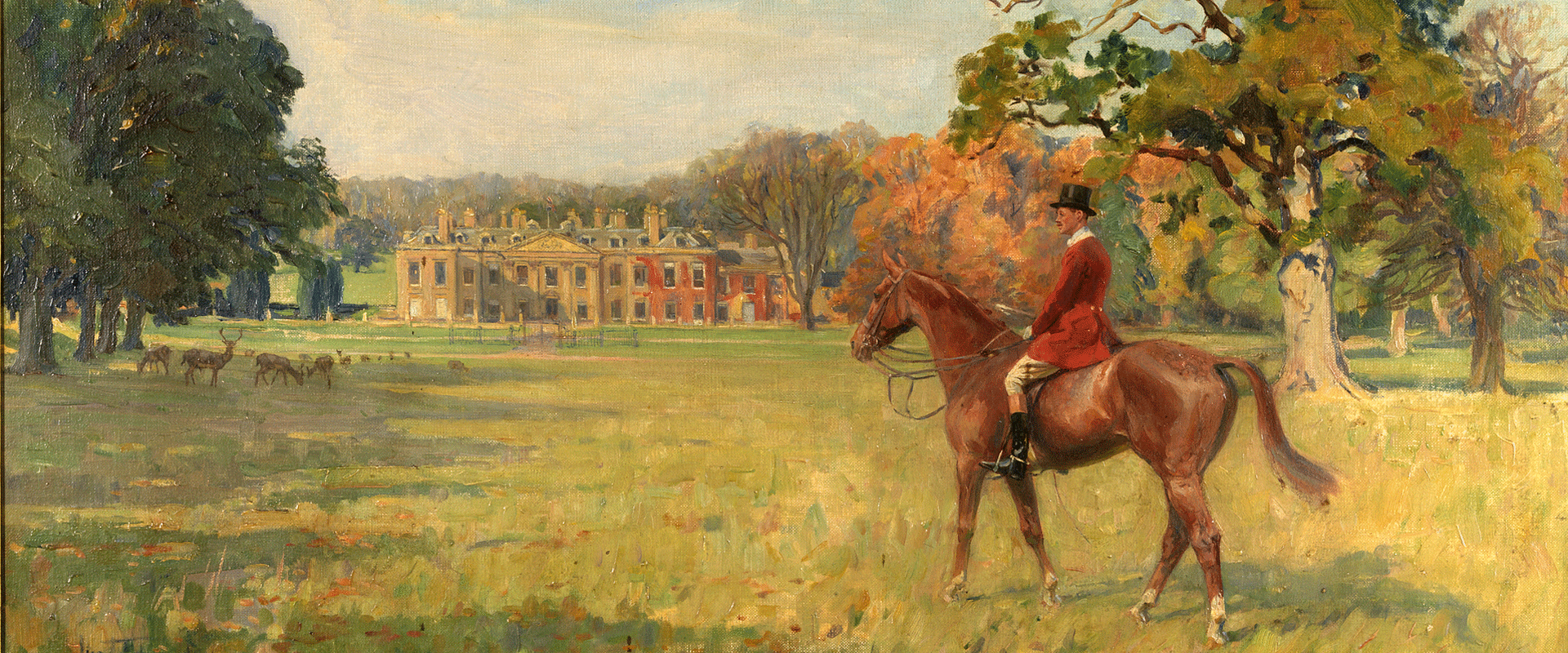
Althorp has been home to the Spencer family for more than 500 years, and contains a fascinating variety of pictures, furniture, ceramics and fine interiors.
Althorp House is now closed.
We look forward to welcoming you in 2027.
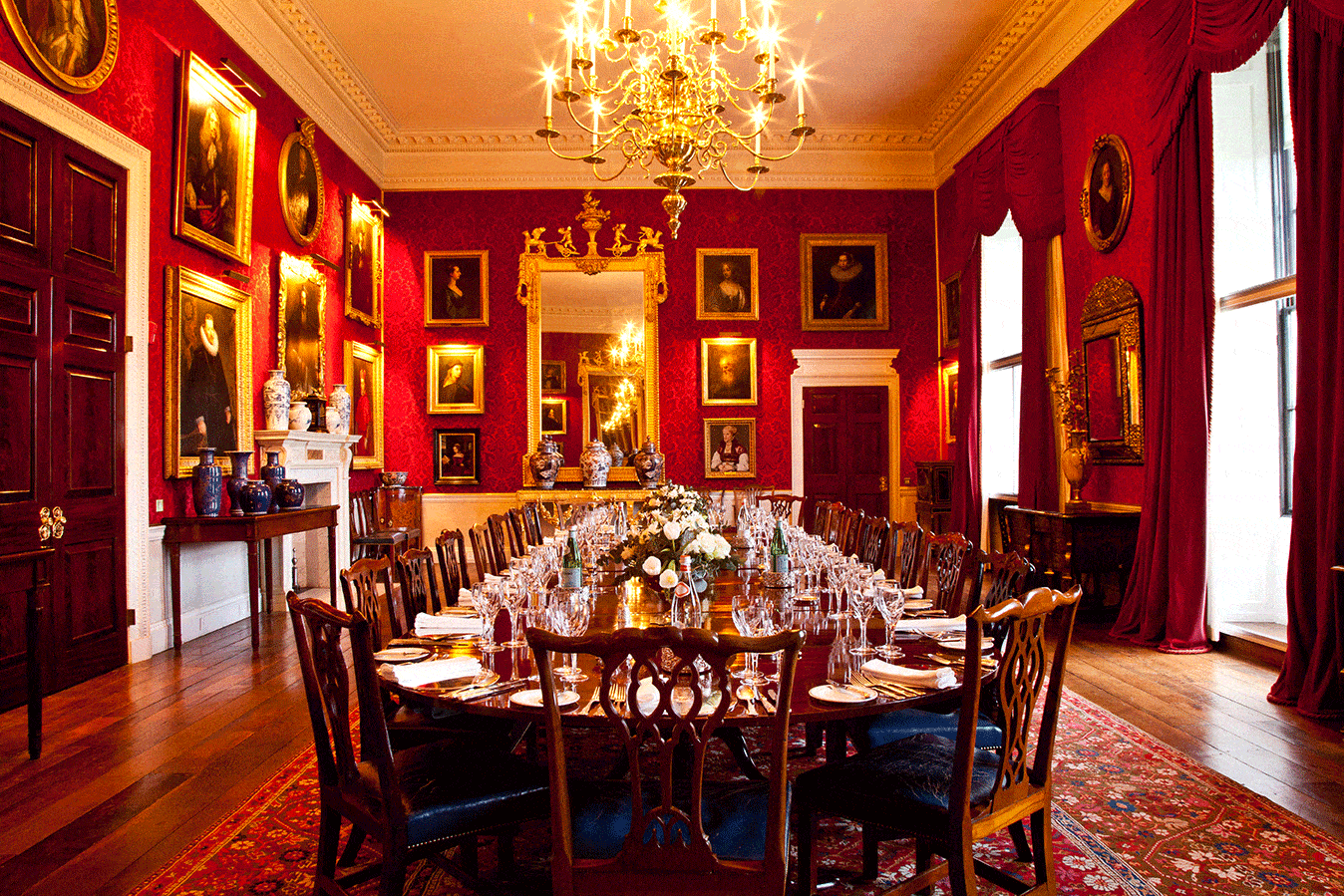


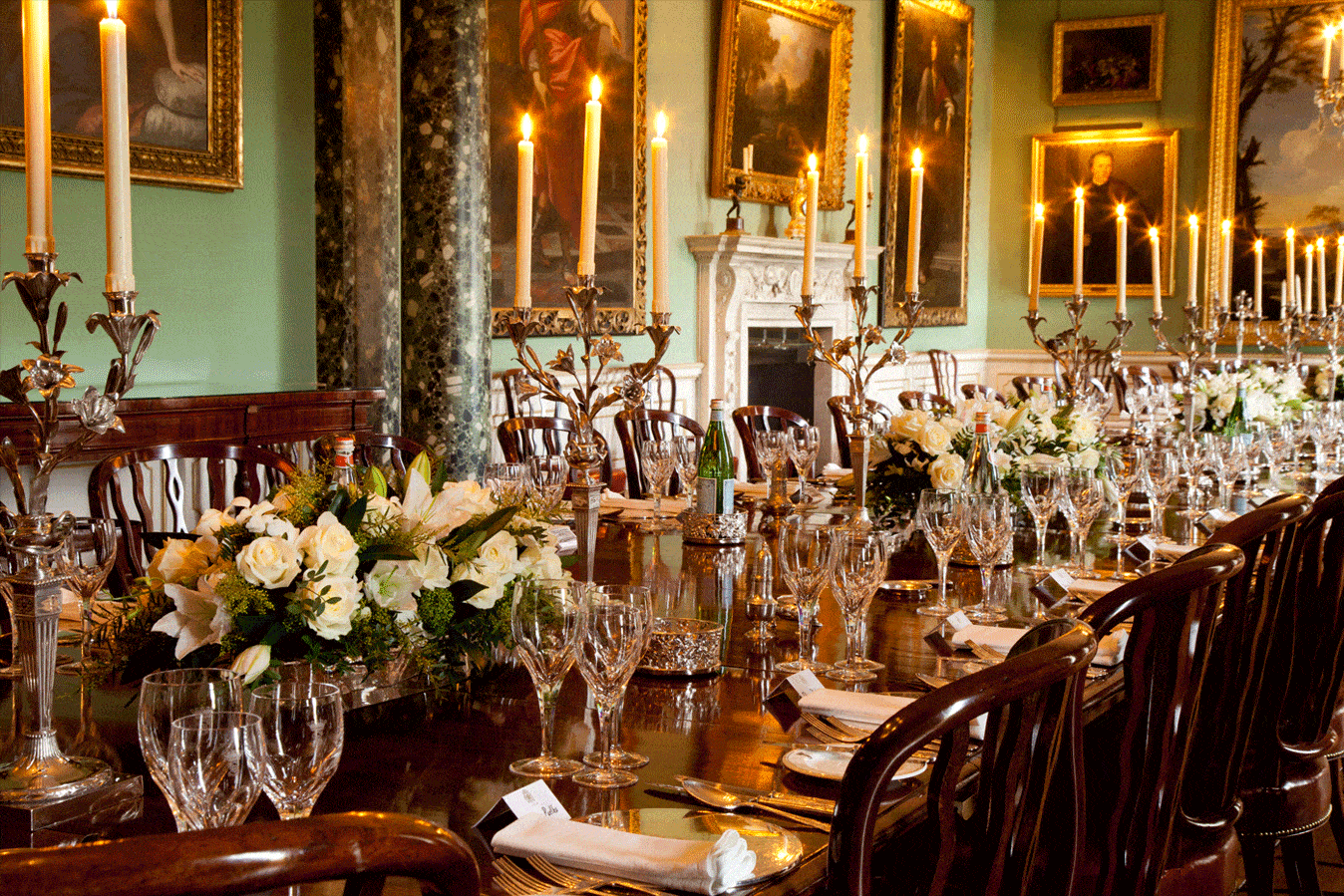
Althorp has been home to the Spencer family for more than 500 years, and contains a fascinating variety of pictures, furniture, ceramics and fine interiors.
Althorp House is now closed.
We look forward to welcoming you in 2027.
CHARLES SPENCER BOOKSHOP
Author and Historian
Books by Charles Spencer include thrilling tales of regicide, stories of Royal retribution, battles that have framed British history and the tale of a man destined to be the last Cavalier.
All books purchased through our website include a personalised dedication by Charles Spencer.
NEW RELEASE
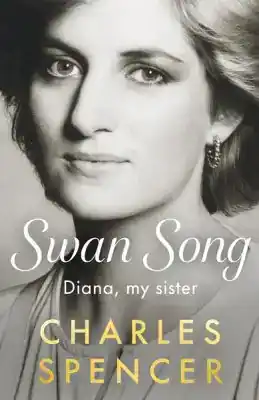
Swan Song: Diana, My Sister
In Swan Song, Charles Spencer provides the most intimate, loving and honest portrait yet of his sister.
Beautiful. Beloved. Hunted. The extraordinary life and death of Diana, as told by her brother, Charles – available to pre-order now.
‘When asked, ‘What was it like, growing up with Diana?’, my first thought is always, But I don’t know what it was like not to grow up with her…’
In September 1997, Charles Spencer stood in Westminster Abbey before a watching world and shared his grief at losing his beloved sister, Diana. Now, nearly thirty years later, he tells the astonishing story of his life with Diana and the tragic week of her death.
CHARLES SPENCER BOOKSHOP
Author | Historian
Books by Charles Spencer include thrilling tales of regicide, stories of Royal retribution, battles that have framed British history and the tale of a man destined to be the last Cavalier.
All books purchased through our website include a personalised dedication by Charles Spencer.
NEW RELEASE
Swan Song: Diana, My Sister
In Swan Song, Charles Spencer provides the most intimate, loving and honest portrait yet of his sister.
Beautiful. Beloved. Hunted. The extraordinary life and death of Diana, as told by her brother, Charles – available to pre-order now.
‘When asked, ‘What was it like, growing up with Diana?’, my first thought is always, But I don’t know what it was like not to grow up with her…’
In September 1997, Charles Spencer stood in Westminster Abbey before a watching world and shared his grief at losing his beloved sister, Diana. Now, nearly thirty years later, he tells the astonishing story of his life with Diana and the tragic week of her death.